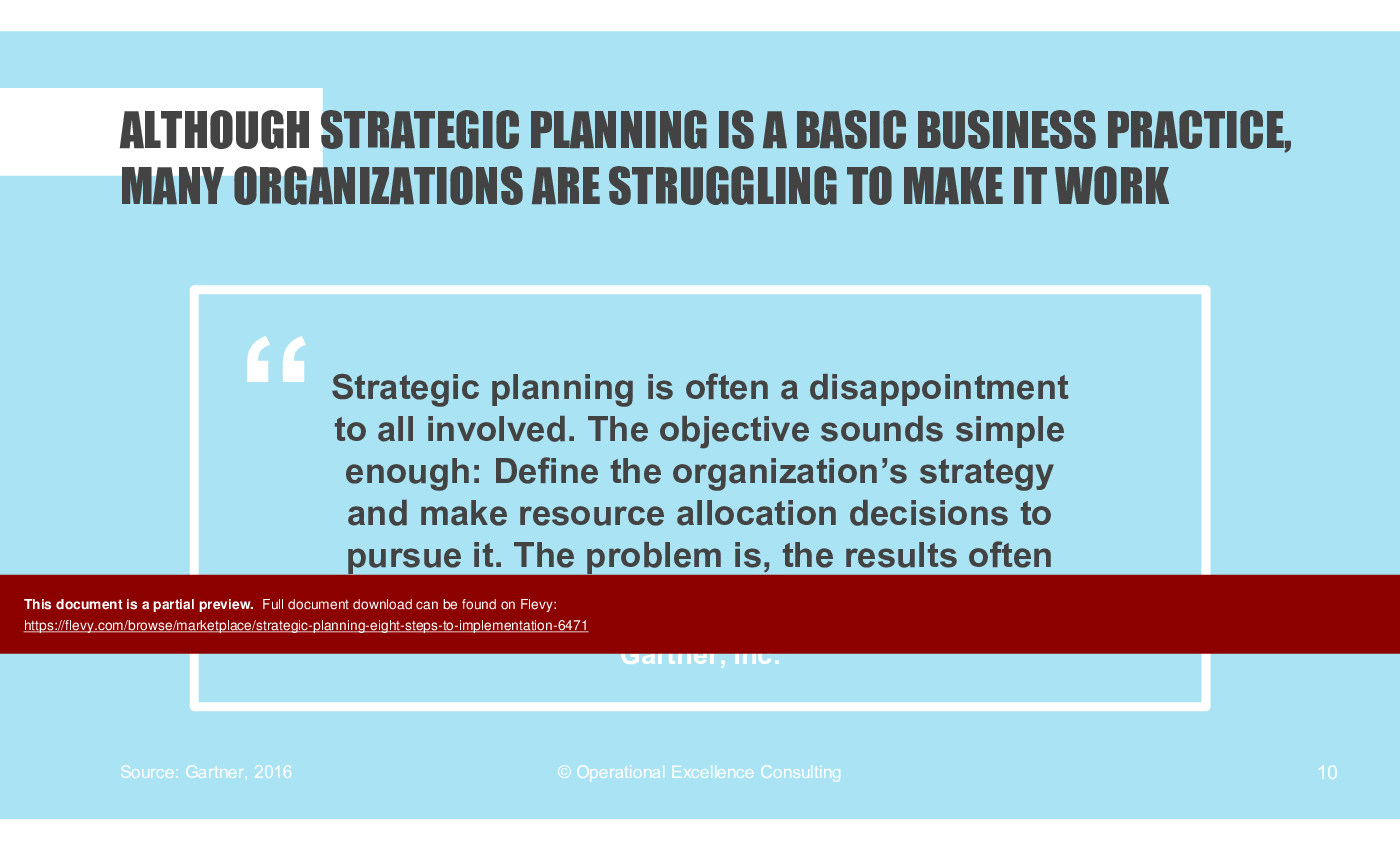

In a constantly evolving world, organizations need strategic planning to adapt and stay ahead of the competition. However, despite being a basic business practice, many organizations struggle to make it work, resulting in disappointing outcomes. Our research and experience show that most strategic planning processes are poorly executed and rarely impact day-to-day decisions. To be successful, a strategic planning process should provide a framework against which all decisions can be evaluated.

What is unique about this strategic planning model?
✅ Pre-Planning Readiness – Assesses organizational readiness and ensures necessary preparations for a successful planning process.
✅ Values & Culture Alignment – Integrates values scanning and cultural shaping to enhance both planning and execution.
✅ Future-First Approach – Encourages creativity and innovation before conducting performance assessment and analysis.
✅ Comprehensive & Value-Driven – Combines traditional and modern strategic tools to drive long-term value creation.
The Eight Steps of Strategic Planning are presented in a sequential manner to guide organizational leaders and key stakeholders in planning and creating the organization's future.
The Eight Steps of Strategic Planning include:
• Step 1: Plan the Planning Process
• Step 2: Define Shared Values and Mission
• Step 3: Analyze the Current Organizational Profile
• Step 4: Create an Inspiring Vision
• Step 5: Compare Current to Envisioned Organization
• Step 6: Develop Strategies, Objectives and Plans
• Step 7: Execute Action Plans
• Step 8: Monitor Results and Make Improvements
Using this model for strategic planning will provide new direction and energy to the organization. The steps and sub-steps can be adapted to suit the specific needs and desires of the organization.
This comprehensive Strategic Planning PPT training presentation is most suited for the organization's internal planning team, strategy deployment professionals, and independent consultants. It can be used during annual planning cycles or when important real-time strategy decisions need to be made.
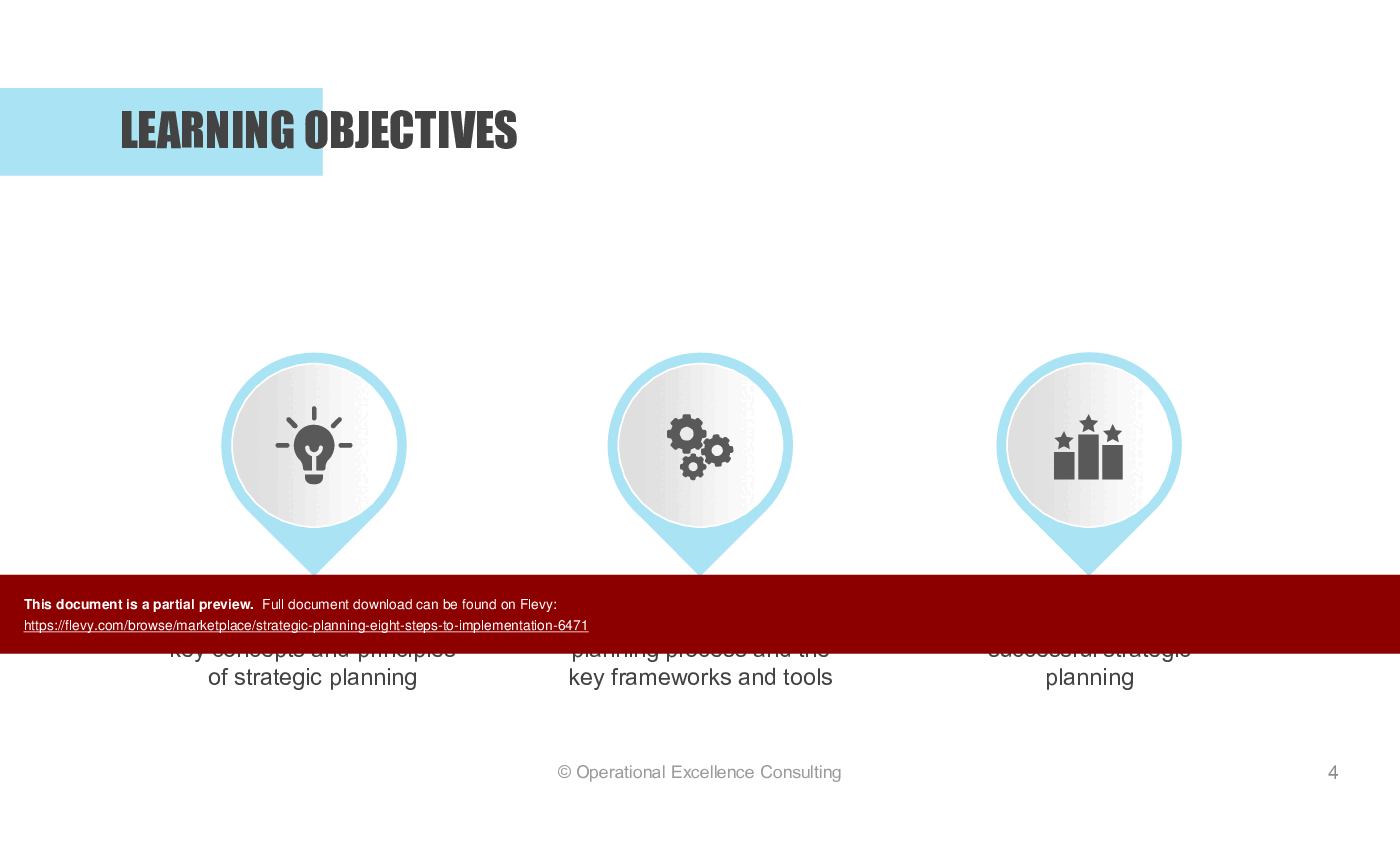
LEARNING OBJECTIVES
1. Acquire knowledge on the key concepts and principles of strategic planning.
2. Describe the eight-step strategic planning process and the key strategy frameworks and tools.
3. Define the key factors for successful strategic planning.
CONTENTS
1. Key Concepts and Principles of Strategic Planning
2. Strategic Planning Process: The Eight-step Strategic Planning Model
3. Key Strategy Frameworks and Tools
4. Strategic Planning Best Practices
Included are the key strategy frameworks and tools such as: Power/Interest Grid for Stakeholder Analysis; VRIO Framework; Porter's Value Chain; PESTLE Analysis; BCG Growth/Share Matrix; McKinsey-GE Matrix; Porter's Five Forces Analysis; Competitive Profile Matrix; SWOT Analysis; Porter's Generic Strategies; BCG Strategy Palette; Ansoff's Matrix; Blue Ocean Strategy; Impact-Probability Matrix; Strategyzer's Value Proposition Canvas; Strategyzer's Business Model Canvas; McKinsey 7-S Model; and Balanced Scorecard.
The presentation emphasizes the importance of aligning strategic planning with organizational culture and values. It also highlights the need for continuous and iterative planning to adapt to dynamic business environments.
Got a question about the product? Email us at support@flevy.com or ask the author directly by using the "Ask the Author a Question" form. If you cannot view the preview above this document description, go here to view the large preview instead.
Executive Summary
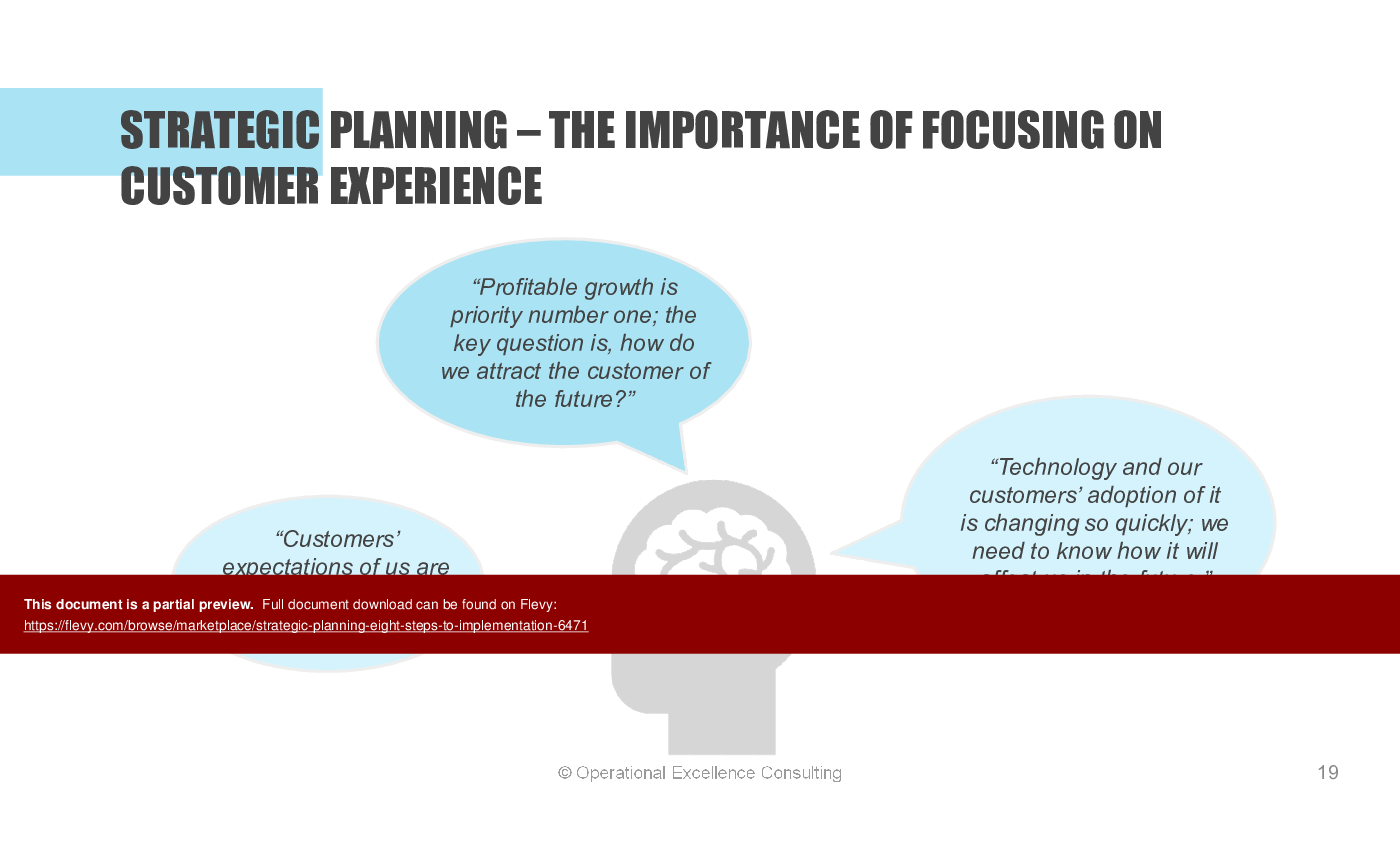
This presentation, "Strategic Planning: Eight Steps to Implementation," serves as a comprehensive guide for organizational leaders and stakeholders to effectively plan and execute strategic initiatives. Developed by Operational Excellence Consulting, it outlines a systematic approach to strategic planning, emphasizing the importance of leadership commitment, stakeholder involvement, and a focus on customer experience. By following the eight sequential steps, organizations can create a clear roadmap for achieving their vision and objectives, ensuring that strategic planning translates into actionable results.
Who This Is For and When to Use
• Corporate executives seeking to enhance strategic planning processes
• Business unit leaders responsible for implementing strategic initiatives
• Consultants and facilitators guiding organizations through strategic transformations
• Project managers overseeing strategic execution and monitoring
Best-fit moments to use this deck:
• During annual strategic planning sessions to align organizational goals
• When initiating a new strategic initiative or transformation project
• In workshops aimed at developing a shared vision and mission
Learning Objectives
• Acquire knowledge on the key concepts and principles of strategic planning
• Define the factors for successful strategic planning
• Describe the strategic planning process and the key frameworks and tools
• Identify best practices for effective strategic planning implementation
Table of Contents
• Key Concepts & Principles of Strategic Planning (page 6)
• Strategic Planning Process (page 44)
• Key Strategy Frameworks & Tools (page 131)
• Strategic Planning Best Practices (page 185)
Primary Topics Covered
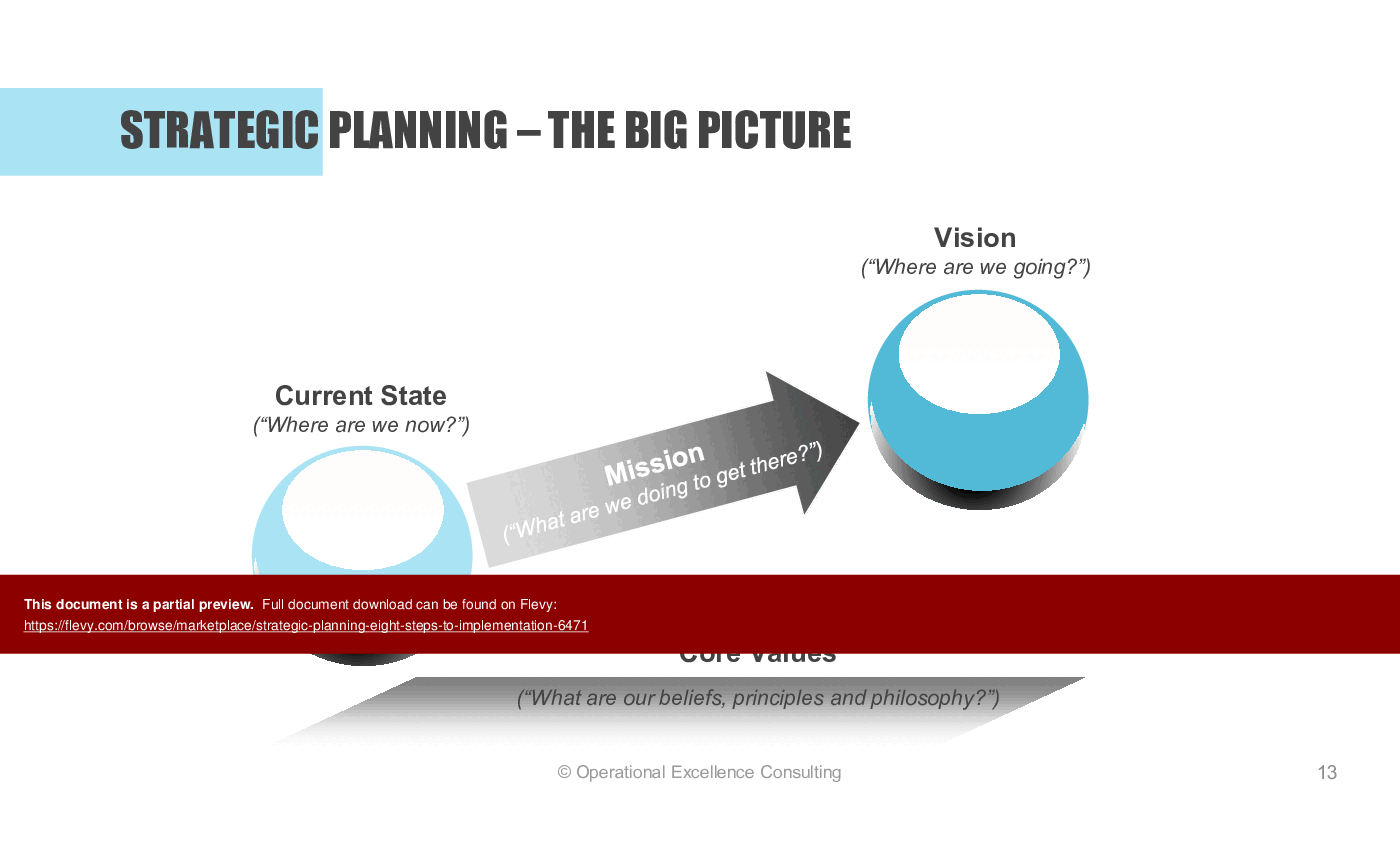
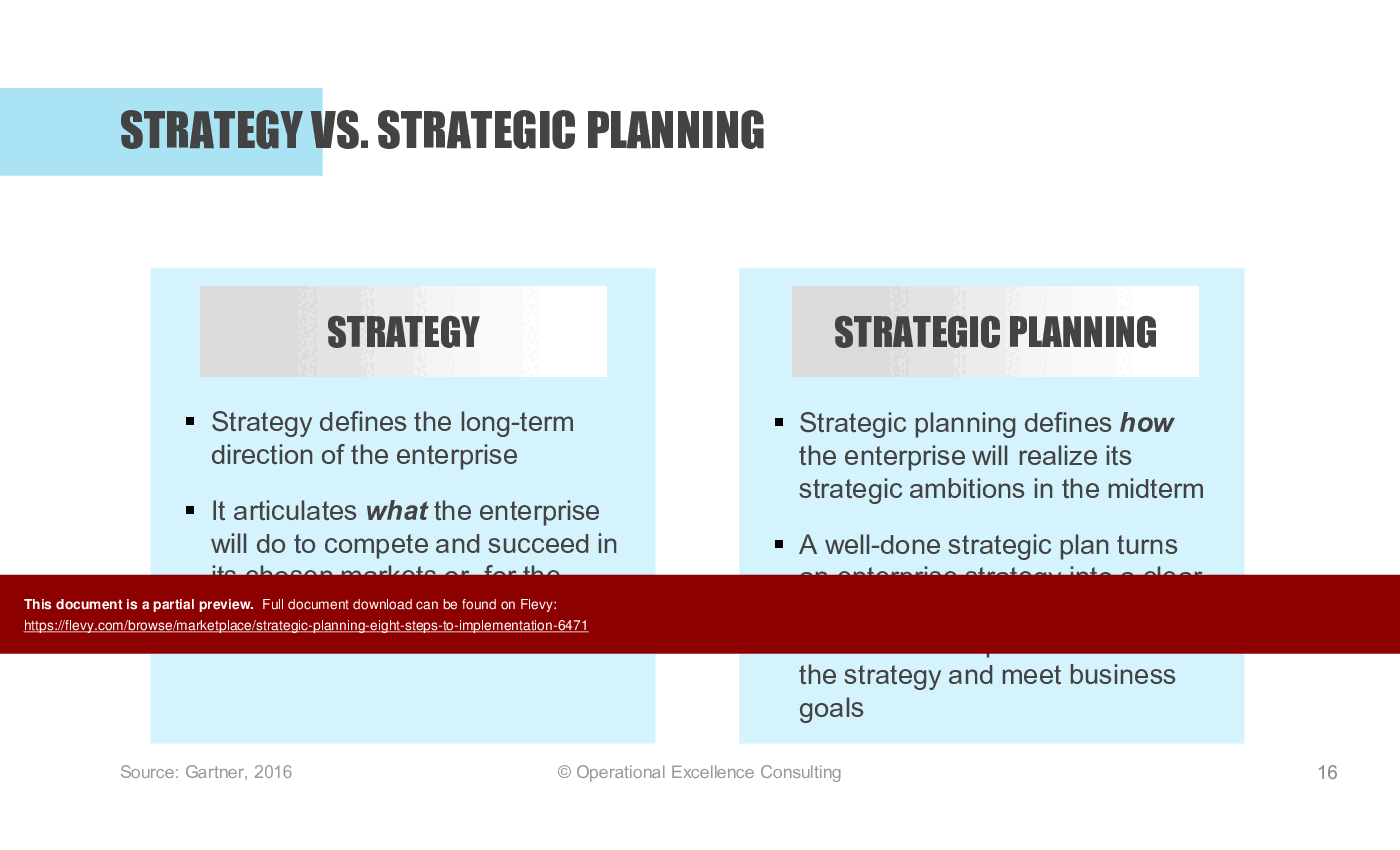
• Strategic Planning Definition - The process by which organizational leaders envision the future and develop necessary procedures to achieve that future.
• Importance of Leadership Commitment - Senior executives must drive the strategic planning process, ensuring organizational alignment and accountability.
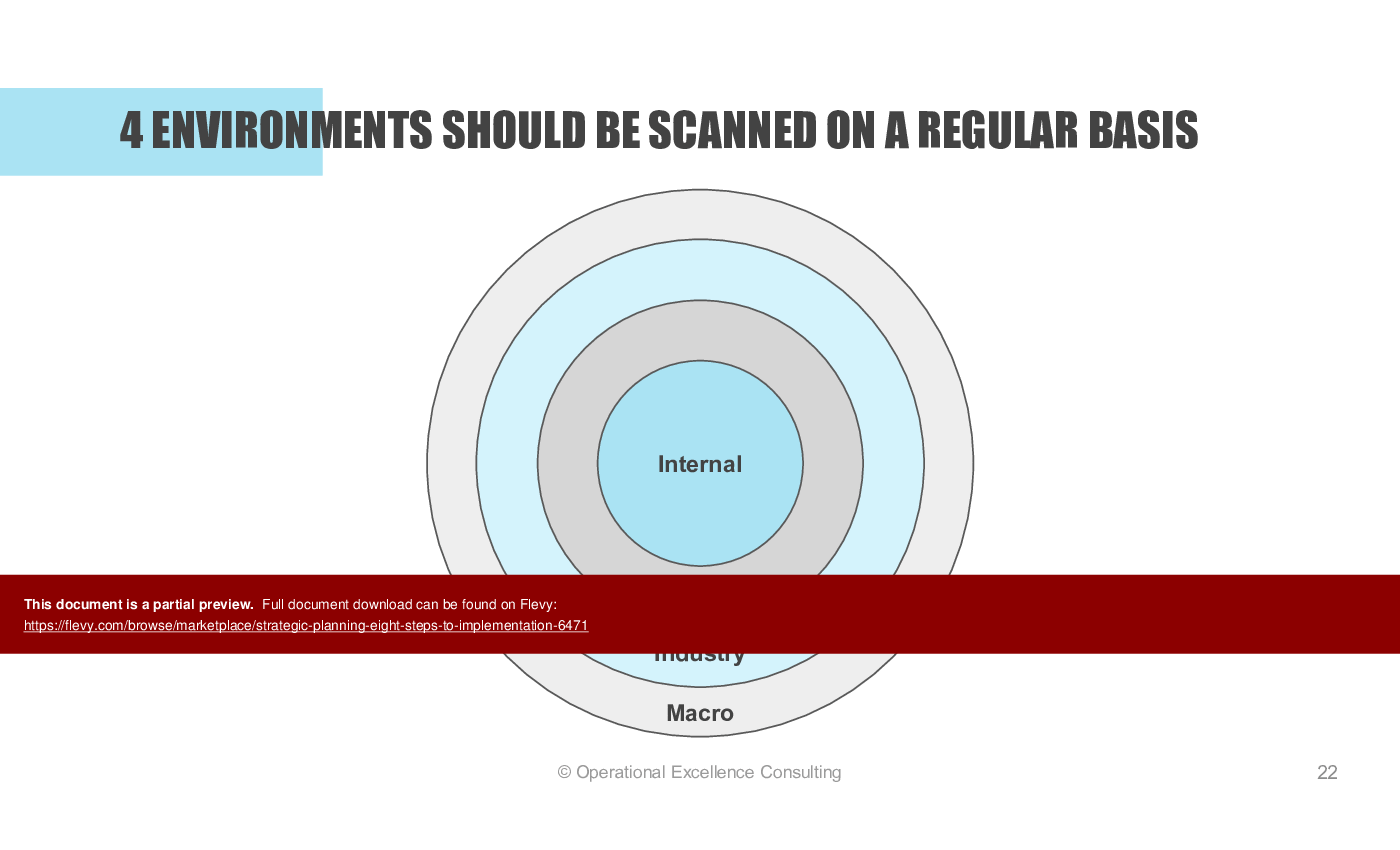
• Environmental Monitoring - Continuous assessment of internal and external environments is essential for informed decision-making.
• SWOT Analysis - A structured method to evaluate strengths, weaknesses, opportunities, and threats impacting the organization.
• Gap Analysis - Identifying discrepancies between current performance and desired future state to inform strategic objectives.
• Action Plans Development - Creating detailed operational plans that cascade from strategic goals to departmental initiatives.
Deliverables, Templates, and Tools
• Strategic Planning Process Model outlining the eight steps for implementation
• SWOT Analysis template for assessing organizational positioning
• Gap Analysis framework to identify and address performance discrepancies
• Action Plan templates for cascading goals throughout the organization
• Environmental Monitoring tools for ongoing assessment of market conditions
Slide Highlights
• Overview of the eight-step strategic planning process
• Examples of effective vision and mission statements
• Case studies illustrating successful strategic planning initiatives
• Visual representations of strategic frameworks like the BCG Matrix and VRIO Framework
• Best practices for engaging stakeholders in the planning process
Potential Workshop Agenda
Strategic Planning Kickoff Session (90 minutes)
• Introduce the strategic planning process and its importance
• Discuss organizational readiness and leadership commitment
• Identify key stakeholders and their roles
Vision and Mission Development Workshop (120 minutes)
• Conduct a values scan to define shared values
• Facilitate discussions to draft vision and mission statements
• Align organizational culture with strategic objectives
SWOT and Gap Analysis Session (90 minutes)
• Perform SWOT analysis in breakout groups
• Identify gaps between current performance and desired outcomes
• Develop strategies to address identified gaps
Customization Guidance
• Tailor the strategic planning process to reflect organizational culture and values
• Adjust the templates and frameworks to fit specific industry contexts
• Incorporate organizational-specific metrics and KPIs into action plans
Secondary Topics Covered
• The role of organizational culture in strategic planning
• Techniques for effective stakeholder engagement
• Methods for measuring and evaluating strategic plan success
• The impact of external factors on strategic decision-making
FAQ
What is the strategic planning process?
The strategic planning process is a systematic approach that guides organizations in defining their vision, mission, and objectives, while also outlining the necessary steps to achieve them.
How can this presentation be customized?
The presentation can be tailored to fit specific organizational needs by modifying templates, frameworks, and examples to align with the company’s culture and industry context.
What are the key components of a successful strategic plan?
A successful strategic plan includes a clear vision, defined values, actionable objectives, stakeholder engagement, and a robust monitoring system to track progress.
How often should the strategic plan be reviewed?
The strategic plan should be reviewed regularly, with formal evaluations occurring quarterly or biannually, to ensure alignment with changing organizational goals and market conditions.
What tools are included in this presentation?
The presentation includes various strategic planning tools such as SWOT analysis templates, gap analysis frameworks, and action plan templates for effective implementation.
Glossary
• Strategic Planning - The process of envisioning an organization’s future and developing procedures to achieve that future.
• SWOT Analysis - A structured method for evaluating strengths, weaknesses, opportunities, and threats.
• Gap Analysis - The process of identifying discrepancies between current performance and desired outcomes.
• Action Plan - A detailed plan outlining specific steps to achieve strategic objectives.
• Environmental Monitoring - Ongoing assessment of internal and external factors affecting the organization.
• Vision Statement - A declaration of an organization’s long-term aspirations.
• Mission Statement - A statement defining the organization’s purpose and primary objectives.
• Stakeholders - Individuals or groups with an interest in the organization’s success.
• KPIs - Key Performance Indicators used to measure success against objectives.
• Organizational Culture - The shared values, beliefs, and practices within an organization.
• Leadership Commitment - The active support and involvement of senior executives in the strategic planning process.
• Strategic Objectives - Specific goals that an organization aims to achieve through its strategic plan.
Source: Best Practices in Strategic Planning PowerPoint Slides: Strategic Planning: Eight Steps to Implementation PowerPoint (PPTX) Presentation Slide Deck, Operational Excellence Consulting
This document is available as part of the following discounted bundle(s):
Save %!
Innovation & Strategy Toolkit
This bundle contains 4 total documents. See all the documents to the right.
|
Download our FREE Strategy & Transformation Framework Templates
Download our free compilation of 50+ Strategy & Transformation slides and templates. Frameworks include McKinsey 7-S, Balanced Scorecard, Disruptive Innovation, BCG Curve, and many more. |